

UAE tightens plant and animal trade laws with tougher penalties
Updated quarantine systems bolster biosecurity and global trade commitments
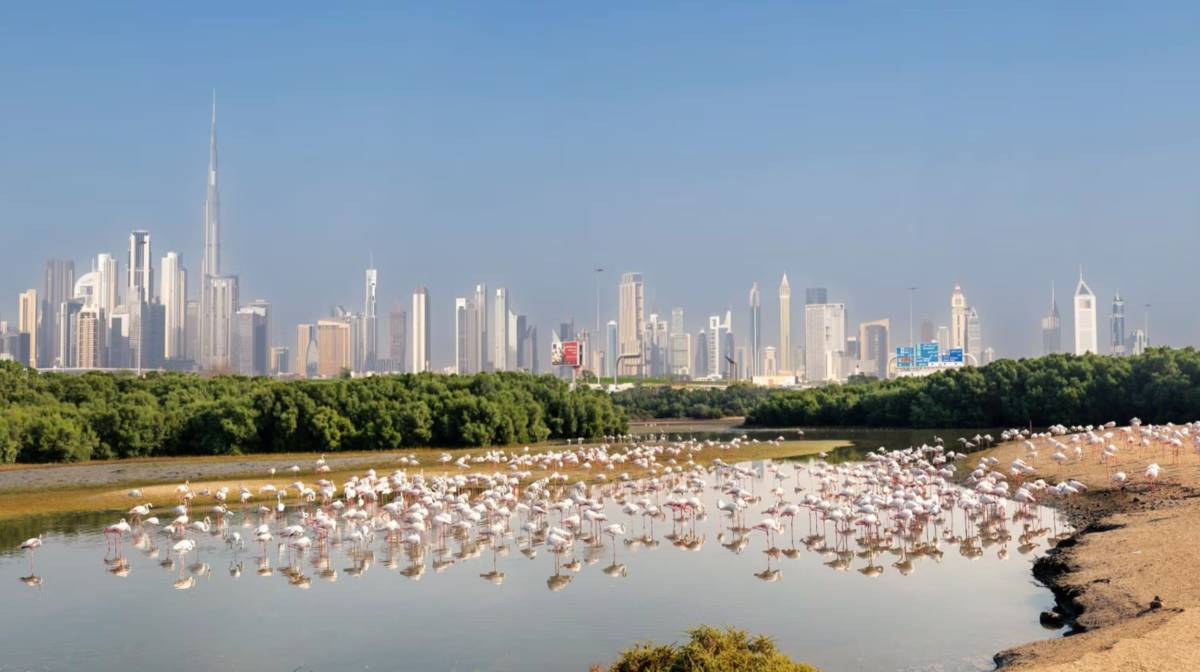
DUBAI – The United Arab Emirates has issued a sweeping set of updated federal laws governing the international trade of plants and animals, aimed at safeguarding biodiversity and bolstering national biosecurity.
The reforms strengthen regulations around endangered species, enhance quarantine systems for plants and animals, and impose significantly tougher penalties for violations.
The changes align national legislation with global conventions and scientific developments, reflecting the UAE’s role as a major hub for agricultural and animal-related trade. The laws also reinforce protection against agricultural pests and transboundary animal diseases that can threaten food security and ecosystems.
Biodiversity protection
A cornerstone of the reforms is the updated law regulating trade in endangered species. This replaces Federal Law No. 11 of 2002, which had been in force for more than two decades without amendment. The new legislation harmonises UAE law with the Convention on International Trade in Endangered Species of Wild Fauna and Flora (CITES) and expands enforcement powers.
Under the updated regime, it is prohibited to import, export, re‑export, transit, or introduce from the sea any endangered specimens through all UAE border points. These measures help ensure that global commitments to protect rare plants and animals are fully supported at the national level.
The law clarifies key definitions, such as endangered species, pre‑convention specimens, falcon passports, phytosanitary certificates, and shipments. Its scope applies uniformly across all Emirates and free zones, covering species listed in annexes and subsequent amendments.
To enforce compliance, the Ministry of Climate Change and Environment has been designated as the national administrative authority. It oversees certification, inspection, and enforcement action, including the seizure of illegal specimens. The law empowers authorities to dispose of seized specimens in accordance with judicial rulings and to suspend or confiscate transit shipments lacking proper documentation.
Penalties for violation have been significantly increased. Individuals and companies can face fines ranging from Dh30,000 to Dh2 million, with custodial sentences of up to four years in serious cases. Offenders must also cover all costs related to seizure, transportation, care, storage, and disposal of specimens. For foreign offenders convicted more than once, mandatory deportation is imposed.
Veterinary quarantine
Veterinary quarantine plays a critical role in preventing the introduction and spread of animal diseases that can affect public health, agriculture, ecosystems, and livestock industries. The new Law on Veterinary Quarantine replaces Federal Law No. 6 of 1979, which had remained in effect for 45 years.
Modern scientific and international standards are reflected in updated terminology, including veterinary quarantine procedures, veterinary health certificates, animal waste and feed, and border entry points. The law applies to all consignments of animals entering, exiting, or transiting through the UAE.
Animal consignments may only enter through approved border entry points designated by the Ministry of Climate Change and Environment. The law establishes a comprehensive veterinary quarantine system encompassing prevention, risk assessment, inspection, quarantine, and disposal of infected animals.
Import bans and temporary quarantine restrictions may be imposed based on scientific risk assessments or international alerts regarding transboundary animal diseases, including emerging pathogens listed by the World Organisation for Animal Health. These provisions ensure the UAE can act swiftly to protect both domestic animal populations and public health.
Agricultural quarantine
Agricultural quarantine protects the UAE from pests and diseases that could devastate crops, disrupt food supply chains, impact environmental health, or undermine trade confidence. The new Law on Agricultural Quarantine replaces Federal Law No. 5 of 1979 and aligns national law with amendments to the International Plant Protection Convention.
The updated legislation introduces precise definitions for key terms such as phytosanitary regulations, regulated articles, quarantine pests, beneficial organisms, and certificates required for imported, exported, or transiting plant material.
Under the new law, agricultural shipments must comply with strict inspection and documentation requirements before movement across the UAE’s borders. Penalties for failing to meet these requirements include fines up to Dh500,000. Repeat offending by foreign nationals results in mandatory deportation.
Plant variety protection
The Law on the Protection of New Plant Varieties encourages agricultural innovation and supports breeders’ rights, aligning with international best practices. It replaces Federal Law No. 17 of 2009 and observes standards set by the International Union for the Protection of New Varieties of Plants.
The legislation establishes a Register for the Protection of New Plant Varieties within the Ministry of Climate Change and Environment and defines the responsibilities of the Registrar. Protection is awarded where a plant variety is new, distinct, uniform, and stable.
Protection lasts for 20 years and extends to 25 years for vines and trees. The scope of protection has been broadened to include all plant genera and species. Clarity on distinctness and uniformity promotes confidence and investment in plant breeding.
Violations of these protections can attract fines up to Dh250,000 and custodial sentences of up to three years. These provisions ensure that breeders and innovators are adequately rewarded and protected under national law.
Enforcement powers
Together, these laws give the Ministry of Climate Change and Environment significant authority to oversee enforcement, including inspection, monitoring, seizure, and regulatory action. New procedural powers allow authorities to suspend the transit of specimens where export or re‑export certificates are missing or where discrepancies are found between physical consignments and documentation.
Clear and updated definitions throughout the legislation ensure consistency with the UAE’s broader legislative framework and international conventions. Adopting internationally recognised terms and standards strengthens the UAE’s regulatory regime and reinforces compliance with global trade obligations.
These reforms reflect the UAE’s commitment to balancing economic growth with environmental stewardship, animal health, and food safety. They provide a more robust legal framework to support sustainable trade practices in an increasingly complex and interconnected global marketplace.